Studium przypadku: Wydajność sektora w cyklach gospodarczych
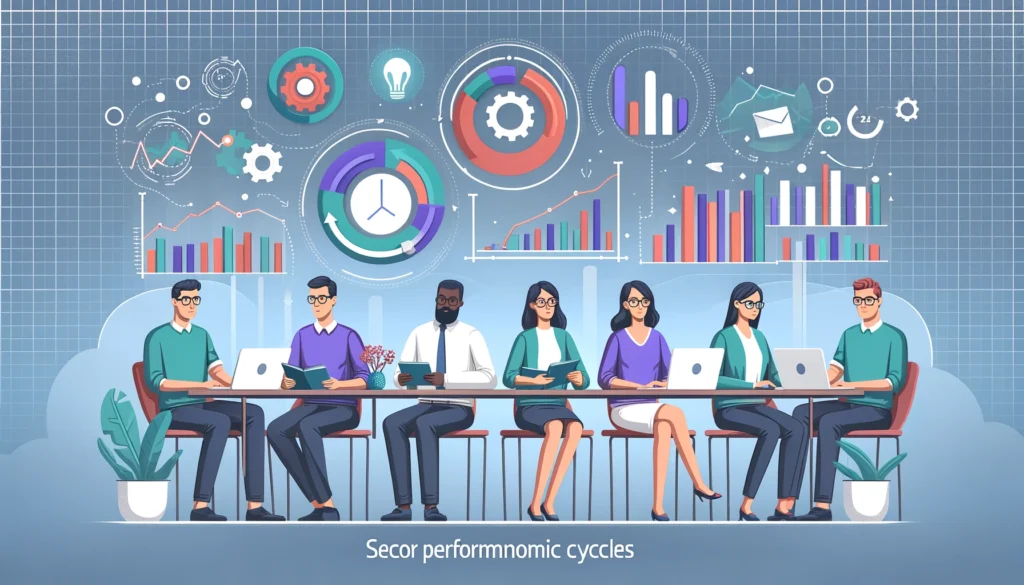
Studium przypadku: Wydajność sektora w cyklach gospodarczych
Studium przypadku Cele edukacyjne:
In this case study, users will analyze how different sectors perform during various phases of the business cycle, helping them understand the importance of sector selection in portfolio management.
Przegląd studium przypadku:
Informacje o studium przypadku:
Sara is a 35-year-old portfolio manager who wants to develop a diversified investment strategy for her clients. She is interested in understanding how different sectors perform during economic expansions and contractions, with a particular focus on defensive stocks during economic downturns.
Scenariusz hipotetyczny:
Sara needs to develop a diversified portfolio for an investor with a focus on defensive stocks during an economic downturn. She will compare the performance of the technology sector versus the utilities sector during economic expansions and contractions to inform her strategy.
Part 1: Understanding Defensive Sectors
Informacje dotyczące części 1:
Defensive sectors are industries that tend to be less sensitive to economic cycles. These sectors provide essential goods and services that consumers need regardless of the economic environment.
- Utilities: Companies providing essential services such as water, electricity, and natural gas. These services are necessary for daily life, so demand remains relatively stable even during economic downturns.
- Consumer Staples: Companies that produce essential products like food, beverages, and household items. These products are consistently in demand, making the sector resilient during economic contractions.
- Healthcare: Companies that provide medical services, pharmaceuticals, and medical devices. Healthcare needs are constant, regardless of economic conditions.
Pytania do części 1:
- Which sectors are considered defensive and why?
- How can Sara ensure that the investor’s portfolio is adequately diversified to manage risk during economic downturns?
Part 2: Analyzing Sector Performance
Informacje dotyczące części 2:
Different sectors perform variably during economic expansions and contractions. Analyzing past performance helps inform future investment decisions.
Biorąc pod uwagę następujące dane:
- During the last economic expansion (2010-2020), the technology sector experienced an average annual growth rate of 15%, driven by increased consumer and business spending on technology products and services.
- The utilities sector, during the same period, had an average annual growth rate of 6%, reflecting steady but modest growth.
- During the last economic contraction (2007-2009), the technology sector declined by 40%, while the utilities sector declined by 15%, demonstrating its defensive characteristics.
Pytania do części 2:
- How did the technology sector perform during the last economic expansion and contraction?
- How did the utilities sector perform during the same periods, and what does this indicate about its defensive nature?
Część 3: Zastosowanie wiedzy w realnym świecie
Informacje dotyczące części 3:
Understanding how different sectors perform during economic cycles can help investors make informed decisions. Real-world examples of sector performance during economic expansions and contractions provide valuable insights.
Przykład ze świata rzeczywistego:
Comparison of Technology vs. Utilities Sector:
- During the 2008 financial crisis, the technology sector experienced significant declines due to reduced consumer spending and increased risk aversion. In contrast, the utilities sector remained relatively stable, demonstrating its defensive characteristics.
- In the recent economic expansion following the COVID-19 pandemic, the technology sector saw substantial growth as businesses and consumers invested in digital transformation and remote work solutions. The utilities sector, while stable, did not experience the same level of growth.
Pytania do części 3:
- What strategies can help Sara build a diversified portfolio focused on defensive stocks during an economic downturn?
- How can historical sector performance data guide Sara’s investment decisions for her clients?
Najważniejsze wnioski:
- Defensive Sectors: Utilities, consumer staples, and healthcare are considered defensive due to their stable demand during economic downturns.
- Dywersyfikacja: Spreading investments across different sectors, asset classes, and geographic regions helps manage risk.
- Historical Performance: Analyzing past sector performance provides valuable insights for future investment decisions.
Porady, wskazówki i najlepsze praktyki:
- Dokładnie przeprowadź badania: Stay informed about sector performance and economic trends to make informed investment decisions.
- Dywersyfikacja inwestycji: Include a mix of defensive and growth sectors to balance risk and potential returns.
- Use Historical Data: Leverage historical performance data to guide investment strategies and manage client expectations.
- Monitor Economic Indicators: Keep an eye on economic indicators to anticipate changes in sector performance and adjust portfolios accordingly.
- Skonsultuj się ze specjalistami: Skorzystaj z porady doradcy finansowego, aby dopasować strategie inwestycyjne do indywidualnej tolerancji ryzyka i celów.
Uwagi końcowe:
Congratulations on completing this case study! By understanding how different sectors perform during economic cycles and applying real-world examples, you have gained valuable insights into building diversified investment portfolios. Keep researching, stay diversified, and monitor economic trends to achieve your financial goals. Happy investing!
 PL
PL  EN
EN  PT
PT  SW
SW  ML
ML  AR
AR  ZH
ZH  ES
ES  EL
EL  ES_ES
ES_ES  FR
FR  HI
HI  IT
IT  JA
JA  KO
KO  PT_PT
PT_PT  DE
DE  LT
LT  UK
UK  KA
KA  DE_AT
DE_AT  NB
NB  NN
NN