Chapter 15: Economic and Government Influences
Lesson Learning Objectives:
Introduction:
This chapter explores the powerful connection between government actions and your wallet. By understanding how policies like taxes and interest rates shape the economy, you can make smarter financial decisions and even influence the rules that affect your money.
- Policy Influence explains how individuals and businesses can shape government rules through voting, lobbying, and civic participation to create a more favorable economic environment.
- Economic Impact helps you connect the dots between broad government actions—like monetary policy (interest rates) and fiscal policy (taxes and spending)—and your personal savings, loans, and job security.
- Global Economics teaches you how inflation and currency fluctuations affect the value of your money, making imported goods more expensive or changing the cost of international travel.
- Wealth Systems compares how different economic structures, such as capitalism versus socialism, create different opportunities and challenges for building personal wealth and entrepreneurship.
- Consumer Safety provides strategies to protect yourself from modern financial threats like identity theft and phishing, and lists the agencies (like the FTC) where you can report fraud.
15.1 Influencing Government Policy
Individuals and Businesses Impact on Government Policies:
Individuals and businesses can influence government policy through various means such as voting, lobbying, and participating in public consultations. For instance, advocating for tax reforms that favor small businesses can lead to legislation that reduces tax burdens, directly impacting the financial situation of small business owners. Engaging in civic activities like attending town hall meetings or writing to elected officials can also shape policies affecting the broader economic environment.
Real-Life Example:
A coalition of small business owners might lobby for a reduction in business rates, leading to legislation that decreases their operational costs and improves profitability.

15.2 Relationship Between Personal Finance and Government Policy
The connection between one’s financial situation and government policies is intricate. Economic policies on taxes, interest rates, and government spending can directly affect individual employment opportunities, investment returns, and the cost of borrowing.
For Example:
If the government decides to increase the minimum wage, this could lead to increased disposable income for many workers, potentially boosting spending and savings. Conversely, higher interest rates set by a central bank can increase loan costs, affecting how individuals manage debt and save for the future.
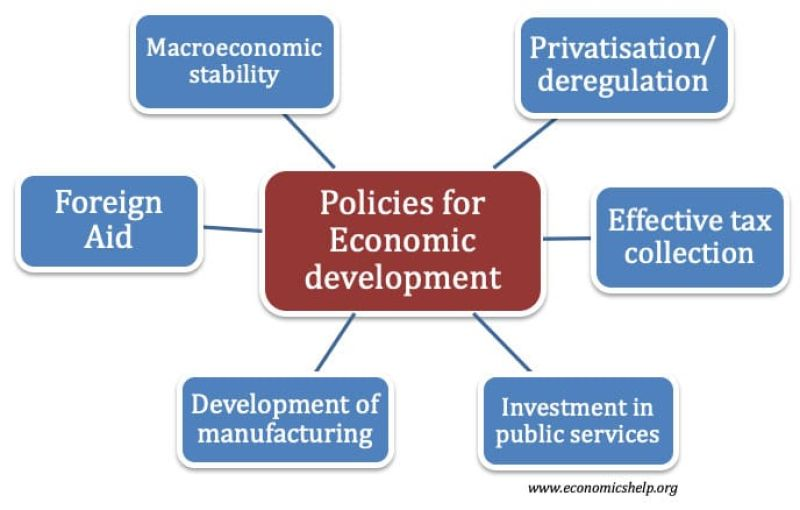
Figure: The Impact of Economic Policies on Your Finances
Description:
This image illustrates how broad economic policies, made by a government and its central bank, have a direct effect on an individual’s personal financial situation. It likely breaks down the two primary types of policy—monetary policy (controlling interest rates) and fiscal policy (government taxing and spending). The graphic connects these high-level actions to everyday financial realities like the cost of loans and the value of savings.
Key Takeaways:
- Monetary policy, managed by a country’s central bank, directly influences interest rates. This determines how expensive it is to borrow money and how much you earn on your savings.
- Fiscal policy refers to the government’s decisions on taxation and spending. Changes in taxes can affect your disposable income, while government spending can impact job availability and economic growth.
- These policies are used to manage inflation, which affects the purchasing power of your money—how much you can buy with it.
- The economic environment created by these policies can impact the performance of investments, including the stock market and bonds.
Application of Information:
- Understanding these policies helps you see the “big picture” behind why your savings account rates change or why your taxes go up or down.
- When you hear news about the central bank changing interest rates, you can anticipate the effect it will have on your mortgage payments and savings returns.
- This knowledge allows you to make more strategic financial decisions and better prepare for how shifts in the national economy might affect your personal budget and investments.
15.3 Inflation and Global Currency Values
Inflation affects not only local prices but also the global value of the U.S. dollar. When inflation rises in the U.S., the dollar may lose value compared to other currencies, making imported goods more expensive but boosting exports. Fluctuations in currency values can affect travel costs, international investing, and the price of imported goods for consumers. Being aware of these global impacts helps individuals make smarter saving, spending, and investment decisions, especially when participating in the global economy.
Example: If inflation rises faster in the U.S. than in Europe, the U.S. dollar may weaken against the euro, making European vacations more expensive for Americans.
15.4 Economic Systems and Personal Wealth
The type of economic system (e.g., capitalism, socialism, mixed economy) in a country influences the opportunities and challenges individuals face when building personal wealth. In a capitalist economy, the emphasis on free markets and private ownership tends to offer more opportunities for wealth creation through entrepreneurship and investment. However, it may also require navigating a highly competitive environment and managing greater financial risks.
Social comparison, or evaluating one’s financial success against peers, can motivate or discourage financial decisions and behaviors. Understanding that economic and government structures shape these comparisons can help individuals set realistic goals and contribute to societal well-being by making informed financial decisions.
Example of Achieving Societal Responsibilities: In a mixed economy where the government provides certain services like healthcare or education, individuals might focus on building wealth not just for personal gain but to contribute to societal goods through taxes or philanthropy. This blend of personal ambition and societal responsibility illustrates how economic systems and government policies frame the context in which individuals pursue personal wealth.
In conclusion, understanding how to navigate and influence government policies, recognizing the interplay between personal finances and broader economic measures, and aligning personal wealth-building strategies within a country’s economic framework are crucial steps for individuals aiming to enhance their financial situation while contributing to societal progress.
15.5 Financial Fraud and Consumer Protection
With increasing financial activity online, fraud risks like identity theft, phishing scams, and Ponzi schemes are growing. Common scams include fake job offers, phishing emails asking for personal information, and fraudulent investment opportunities.
Ways to Protect Yourself:
- Regularly monitor your credit reports.
- Be cautious of unsolicited requests for personal information.
- Use strong passwords and security measures online.
If you become a victim:
You can report fraud to organizations like the Federal Trade Commission (FTC), State Attorney General’s offices, and Consumer Financial Protection Bureau (CFPB). Immediate reporting helps limit losses and prevents further fraud.
Example: After noticing a suspicious charge on her credit card, Mia reported it to the FTC and placed a fraud alert on her credit report to prevent further unauthorized activity.
Key Lesson Information:
Closing Statement:
You are not just a passive observer of the economy; you are an active participant. By staying informed about policies, protecting your identity, and understanding global trends, you can navigate economic shifts and build a resilient financial future.
- Government policies are not static; you can influence them by advocating for changes that help your financial situation, such as small businesses lobbying for lower taxes.
- Monetary policy, managed by the central bank, sets interest rates; when rates go up, borrowing money for a house or car becomes more expensive, but your savings account may earn more.
- Inflation reduces your purchasing power, meaning your dollar buys less over time; if the U.S. inflation rate is high, the dollar may also lose value compared to other global currencies.
- Your ability to build wealth is shaped by your country’s economic system; capitalist systems often offer high rewards for entrepreneurship but come with higher financial risks and competition.
- Financial fraud is a growing threat in the digital age; you must protect yourself by monitoring your credit reports and being skeptical of unsolicited requests for your personal information.
- If you fall victim to a scam, you should immediately report it to the Federal Trade Commission (FTC) or the Consumer Financial Protection Bureau (CFPB) to limit the damage and prevent future theft.